 Image 1 of 1
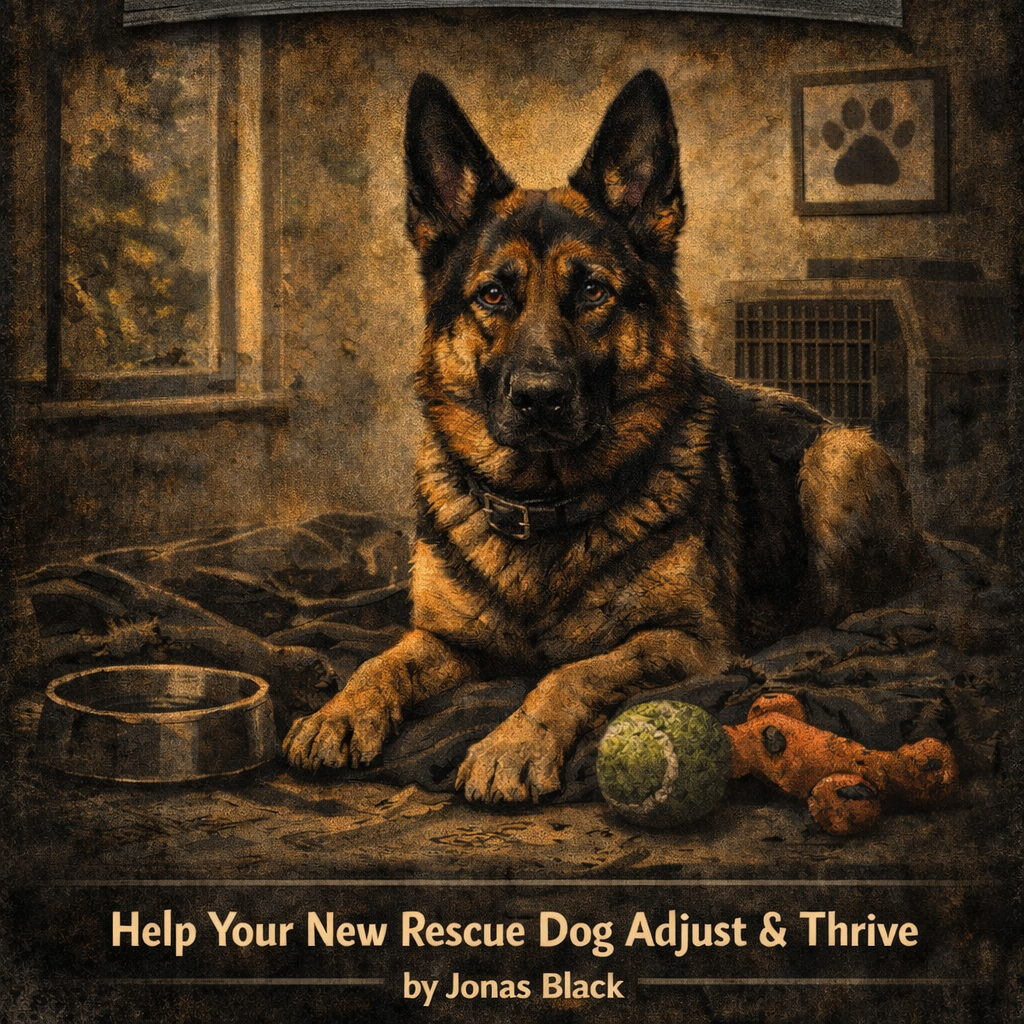
This guide was written for the dogs who come out of shelters carrying more than bad habits. Dogs who have lived in chronic stress. Dogs whose brains have been stuck in survival mode for far too long. Dogs who are not “disobedient,” “stubborn,” or “broken,” but neurologically overloaded. This book walks you through what decompression actually means at the level that matters most: the central nervous system.
Over 30 days, you will learn how to reduce arousal, stabilize stress chemistry, rebuild predictability, and slowly return a dog to a state where learning, bonding, and real training can occur. There is no rushed obedience, no forced confidence, and no pretending trauma disappears because a dog is now in a home. This process is about safety, structure, quiet consistency, and letting the brain exhale before asking it to perform.
This guide is written in plain language, grounded in neuroscience, and designed for real people living with real dogs. It explains the why behind every step so you understand what is happening inside your dog instead of guessing or blaming yourself when progress feels slow.
This e-book is completely free. It always will be.
If you would like to support this work and help save the next dog, you can do so by visiting chatgroupcoffee.com and grabbing a bag of coffee. Every bag sold helps fund decompression, recovery, and second chances for dogs who desperately need them.
This guide was written for the dogs who come out of shelters carrying more than bad habits. Dogs who have lived in chronic stress. Dogs whose brains have been stuck in survival mode for far too long. Dogs who are not “disobedient,” “stubborn,” or “broken,” but neurologically overloaded. This book walks you through what decompression actually means at the level that matters most: the central nervous system.
Over 30 days, you will learn how to reduce arousal, stabilize stress chemistry, rebuild predictability, and slowly return a dog to a state where learning, bonding, and real training can occur. There is no rushed obedience, no forced confidence, and no pretending trauma disappears because a dog is now in a home. This process is about safety, structure, quiet consistency, and letting the brain exhale before asking it to perform.
This guide is written in plain language, grounded in neuroscience, and designed for real people living with real dogs. It explains the why behind every step so you understand what is happening inside your dog instead of guessing or blaming yourself when progress feels slow.
This e-book is completely free. It always will be.
If you would like to support this work and help save the next dog, you can do so by visiting chatgroupcoffee.com and grabbing a bag of coffee. Every bag sold helps fund decompression, recovery, and second chances for dogs who desperately need them.